Waseem Akram
Table of Contents
Introduction
Mental health is one of the most important aspects of human life in today’s world. In a fast-paced and highly stressful environment, millions of people suffer from anxiety, depression, stress, loneliness, and emotional instability. Although modern psychology and medical science provide various treatments for these issues, many individuals are also turning toward spirituality in search of deeper peace and meaning. The connection between Islam and mental health is increasingly being recognized as a source of comfort and guidance, especially in today’s stressful and uncertain world.
Islam, as a complete way of life, presents a balanced and comprehensive approach to mental health. It does not focus only on the physical body but gives equal importance to the heart, soul, and mind. The teachings of Islam promote peace, balance, emotional stability, and inner satisfaction, playing a crucial role in improving Islam and Mental Health.
Understanding the relationship between Islam and Mental Health can lead to better emotional well-being and resilience in facing life’s challenges.
This article explains how Islam contributes to mental health, how it aligns with modern psychology, and why its teachings are relevant for people of all religions and cultures.
This article will also discuss the importance of understanding Islam and Mental Health for achieving a holistic approach to well-being, with a specific focus on Islam and Mental Health.
What is Mental Health in Simple Terms?
Mental health refers to a person’s emotional, psychological, and social well-being. It affects how we think, feel, and behave in daily life.
Good mental health enables a person to:
- Handle stress effectively
- Maintain healthy relationships
- Make rational and balanced decisions
On the other hand, poor mental health may lead to:
- Anxiety
- Depression
- Sleep disorders
- Emotional imbalance
- Hopelessness
Human Nature and Mental Health in Islam
Islam views human beings as a combination of body, mind, and soul. True peace is achieved when all three aspects are in balance. According to Islamic teachings, the heart (Qalb) plays a central role in both emotional and spiritual well-being.
The Qur’an states:
“Verily, in the remembrance of Allah do hearts find rest.” (Surah Ar-Ra’d: 28)
Similarly, the Prophet Muhammad ﷺ said that there is a piece of flesh in the human body—if it is sound, the whole body is sound, and if it is corrupt, the whole body becomes corrupt. That piece is the heart (Sahih al-Bukhari: 52).
This clearly shows that Islam places the heart at the center of human behavior, emotions, and spiritual health. Therefore, Islam focuses heavily on purifying and reforming the heart through revelation and divine guidance. Allah also promises success for those who come to Him with a pure heart.
Spirituality and Mental Health in Islam
In Islam, spirituality is not limited to rituals or specific times. Instead, it is integrated into every aspect of human life. A Muslim’s connection with Allah is not restricted to the mosque or prayer time but is reflected in daily behavior, thinking, and character.
This spiritual connection creates inner peace and helps protect a person from anxiety and mental stress. When a person trusts Allah during difficulties and finds comfort through prayer and remembrance, emotional balance is maintained, helping them cope better with life’s challenges.
Key Spiritual Practices in Islam
1. Prayer (Salah)
Muslims perform five daily prayers. This practice provides regular breaks from daily stress, organizes thoughts, and brings mental peace.
2. Remembrance of Allah (Dhikr)
Reciting and remembering Allah through phrases such as “SubhanAllah,” “Alhamdulillah,” and “Allahu Akbar” calms the mind and reduces anxiety. It functions like spiritual meditation.
3. Dua
Dua is a direct connection between a person and Allah. It reduces emotional burden and gives hope during difficult times.
Islamic Approach to Stress and Anxiety
Islam provides several principles to manage stress and emotional distress. Among the most important are Tawakkul (trust in Allah), Sabr (patience), and Raja (hope).
Tawakkul (Trust in Allah)
Tawakkul means that a person should make their best effort and then trust Allah with the outcome. When a person truly believes that results are in Allah’s control, anxiety and mental pressure decrease significantly.
One should not become overly attached to results or feel destroyed when expectations are not met. Instead, one must understand that outcomes are ultimately determined by Allah, and trust Him completely.
Sabr (Patience)
Patience means remaining strong, consistent, and calm during hardships and trials. Often, people become emotionally disturbed when things do not go as expected. They blame themselves excessively or feel hopeless. However, Islam teaches that outcomes are not fully in human control, and excessive self-blame contradicts the concept of patience.
Raja (Hope)
Hope prevents a person from falling into despair and keeps them connected to Allah’s mercy. It builds positivity and resilience, allowing individuals to move forward despite difficulties.
The Qur’an clearly states:
“Indeed, with hardship comes ease.” (Surah Ash-Sharh: 6)
Islamic Lifestyle and Emotional Balance
Islam promotes a balanced lifestyle that supports physical, mental, and spiritual well-being equally.
Sleep and Daily Routine
Islam encourages discipline in time management and early rising, especially through Fajr prayer. A structured routine improves mental clarity and reduces stress.
Moderation in Eating
Islam discourages overeating. Excessive eating leads to physical laziness and mental dullness, while moderation supports mental clarity and emotional stability.
Social Relationships
Islam emphasizes strong family ties and community relationships. Healthy social connections reduce loneliness and emotional distress.
Avoidance of Harmful Habits
Islam prohibits harmful behaviors such as intoxication and immoral conduct, as these significantly damage mental health and increase anxiety and depression.
Prophet Muhammad ﷺ and Mental Health
The life of Prophet Muhammad ﷺ is a perfect model of emotional strength and mental resilience. Despite facing extreme hardship, trials, and emotional pain, he consistently demonstrated patience, wisdom, and balance.
His teachings include:
- Kindness and gentleness toward others
- Forgiveness, even in personal hardship
- Gratitude for blessings
- Helping others and promoting well-being
These values strengthen emotional health and bring inner peace.
Islam and Depression
Islam does not ignore emotional suffering or depression. Instead, it recognizes it as a natural human condition and offers both spiritual and practical solutions.
Islam teaches that:
- Life is full of tests and challenges
- Seeking help is allowed and encouraged
- Despair is discouraged
- Patience and prayer bring relief
Thus, Islam provides both acknowledgment of mental struggles and a framework for healing.
Islam and Modern Psychology: A Comparison
There are many similarities between Islamic teachings and modern psychological concepts:
| Modern Psychology | Islam |
| Mindfulness | Dhikr (Remembrance of Allah) |
| Gratitude Practice | Shukr (Thankfulness) |
| Positive Thinking | Hope in Allah |
| Meditation | Salah (Prayer) |
| Social Support | Family and Community |
Practical Islamic Principles for Mental Health
- Regular prayer (Salah)
- Recitation of the Qur’an
- Practicing gratitude
- Avoiding negative thinking
- Keeping good company
- Trusting Allah completely
Conclusion
Islam offers a complete, balanced, and comprehensive system of life that guides human beings at the physical, mental, and spiritual levels. Its teachings not only focus on material success but also refine inner human character, resulting in emotional stability and mental peace.
In today’s world of constant stress, uncertainty, and social pressure, Islamic teachings provide a strong spiritual and intellectual support system. Islam teaches that true peace is not found in wealth, fame, or status, but in inner tranquility and connection with the Creator.
Real peace exists in a heart that is illuminated by the remembrance of Allah, strengthened by trust in Him, and comforted by His guidance.
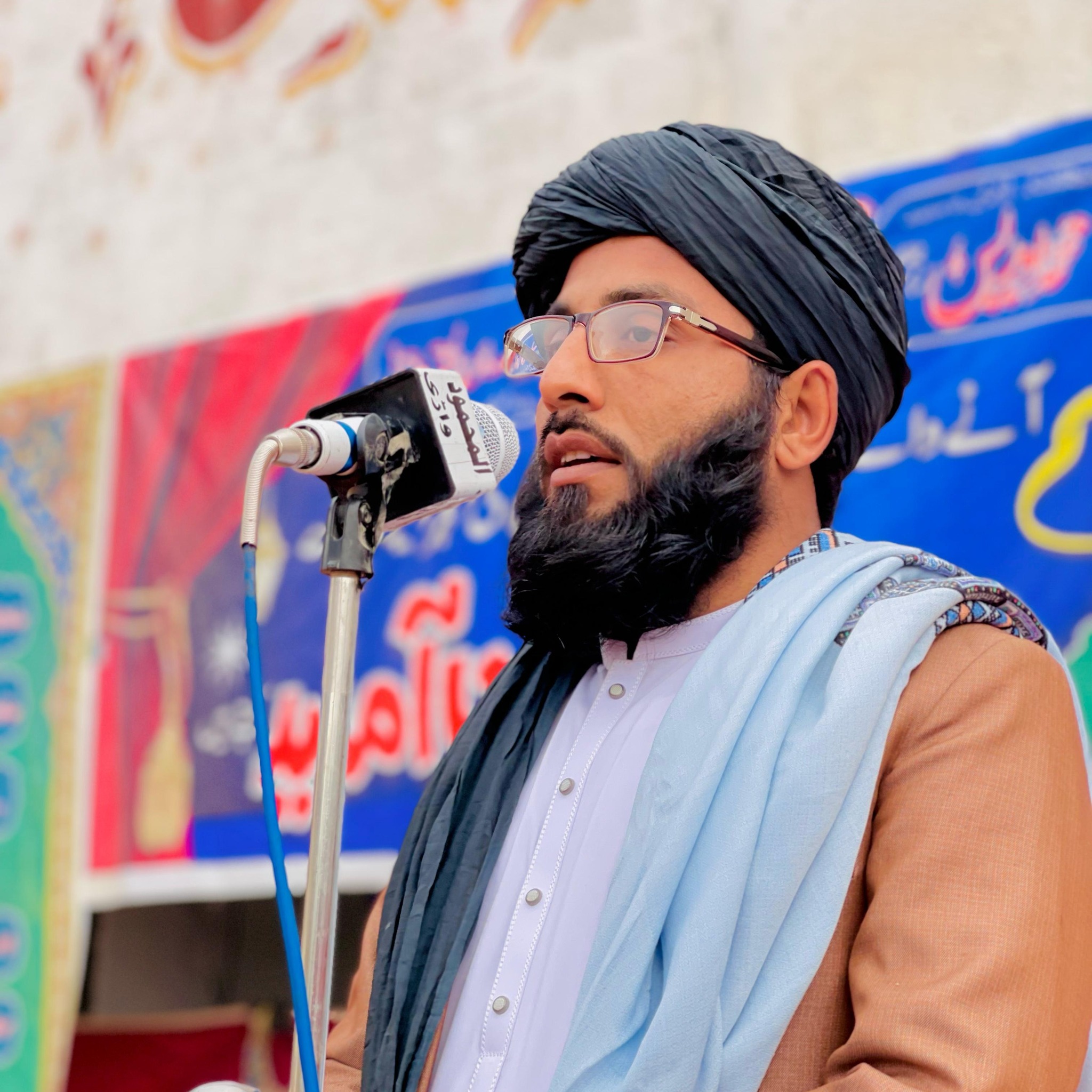
 Waseem Akram