Waseem Akram: Researcher, Literary Scholar, and Islamic Thinker
About the Author
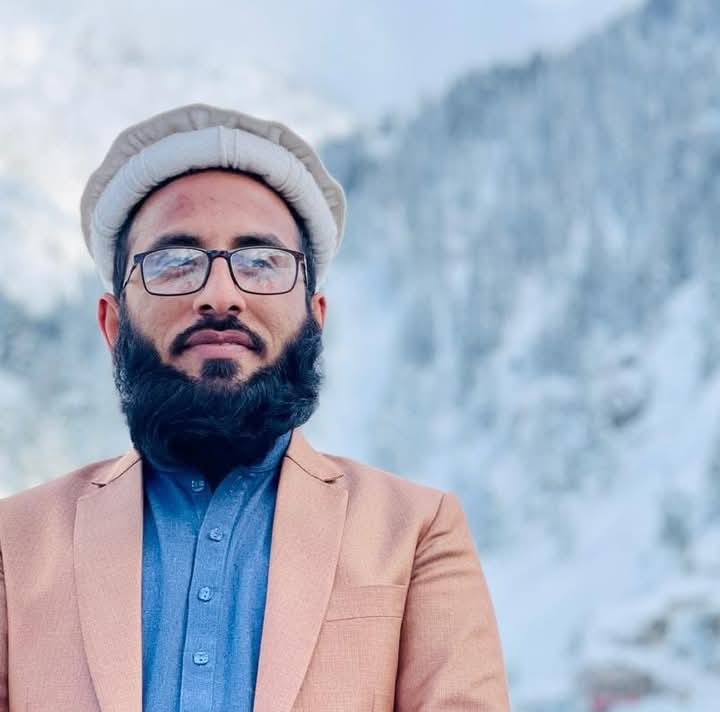
In an age marked by intense intellectual upheaval and rapidly shifting ideological landscapes, Waseem Akram emerges as a thoughtful Islamic researcher and intellectual voice who engages the modern world without abandoning the depth and discipline of classical Islamic scholarship. His work represents a rare synthesis of tradition and critique—rooted firmly in the inherited sciences of Islam while remaining acutely responsive to contemporary philosophical and theological debates.
Waseem Akram received his formal religious education from one of Pakistan’s most prestigious Islamic institutions, Jamia Darul Uloom Haqqania, Akora Khattak, where he completed the rigorous Dars-e-Nizami curriculum. This foundational training immersed him in the classical disciplines of Qur’anic studies, Hadith, Islamic jurisprudence, principles of law, and Islamic theology, shaping his scholarly temperament with intellectual discipline and methodological precision. He later advanced his studies through Takhassus fi al-Fiqh (specialization in Islamic jurisprudence), a defining phase of his academic journey that sharpened his analytical engagement with law, theology, and modern ideological questions.
During his specialization in fiqh, Waseem Akram undertook focused research on Feminism and Feminist Theology, critically examining their philosophical roots, theological assumptions, and interpretive frameworks through the lens of Islamic legal and theological principles. This work situates him among a growing yet limited circle of Muslim scholars who approach contemporary ideological movements not through reactionary dismissal or uncritical adoption, but through principled, rigorous, and textually grounded analysis.
Alongside his traditional Islamic training, he has actively pursued modern and contemporary academic studies. He is currently enrolled in the MPhil program in Islamic Studies at Shaheed Benazir Bhutto University, Sheringal (Upper Dir), where he continues to refine his research through modern academic methodologies, contributing to scholarly discussions on religion, modernity, and intellectual history.
From the outset of his scholarly career, Waseem Akram’s primary research focus has been modern intellectual movements and Western civilization, particularly the ideological currents that inform contemporary thought. His writings demonstrate a sustained engagement with feminism, modern theology, and Western philosophical paradigms, offering responses that are historically informed, philosophically nuanced, and firmly grounded in the Islamic intellectual tradition.
He has authored numerous academic articles on feminism and feminist theology, addressing questions of gender, religion, and modernity with intellectual seriousness and scholarly restraint. His work is distinguished by its refusal to indulge in superficial polemics; instead, it probes the deeper intellectual genealogies of modern Western thought and articulates coherent Islamic perspectives grounded in reason, tradition, and critical inquiry.
Beyond research and writing, Waseem Akram has contributed to the field of Comparative Religion through short academic courses and lectures, fostering informed interfaith understanding and equipping students with conceptual tools for comparative theological analysis.
Through his scholarship, teaching, and writing, Waseem Akram seeks to bridge the enduring legacy of classical Islamic knowledge with the pressing intellectual challenges of the modern world—articulating an Islamic discourse that is principled, intellectually confident, and capable of engaging global conversations with depth and clarity.