Waseem Akram
Table of Contents
Introduction
Ramadan 2026 marks the arrival of a blessed and spiritually transformative month in the Islamic calendar. For Muslims around the world, this sacred month is not merely a seasonal observance but a profound opportunity for spiritual elevation, self-purification, and moral refinement.
Throughout Ramadan, believers turn toward Allah with renewed devotion, seeking forgiveness, guidance, and inner growth. It is important to understand that the most central act of worship in Ramadan is fasting. However, fasting in Islam is far more than abstaining from food and drink. It is a comprehensive spiritual journey — a disciplined effort to strengthen one’s relationship with the Creator and to cultivate a conscious, ethical life.
Ramadan is the ninth month of the Islamic lunar year, and it was during this month that the Qur’an was revealed as guidance for all humanity. For this reason, the significance of Ramadan stands uniquely distinguished from all other months.
The Importance of Ramadan in Islam
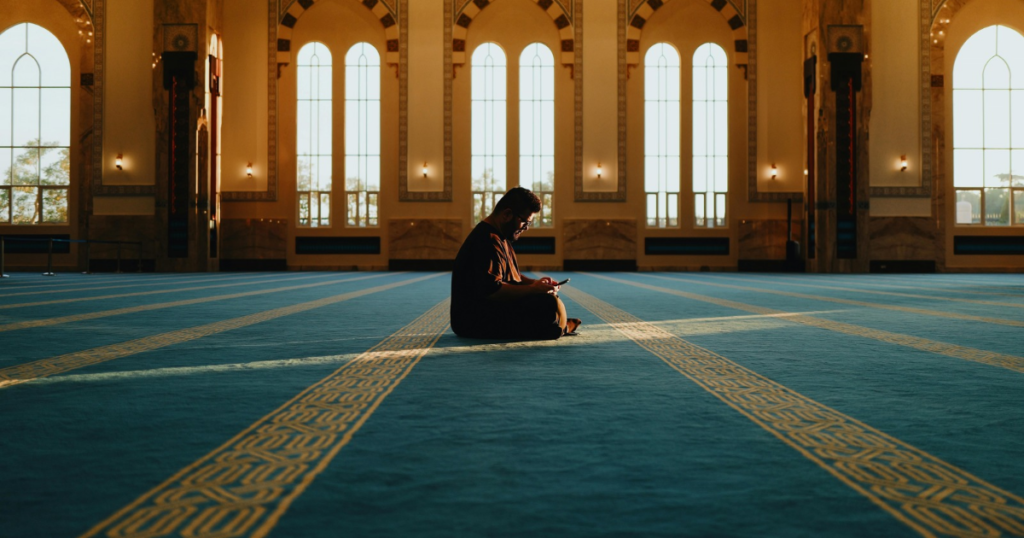
To fully appreciate the importance of Ramadan in Islam, one must recognize that fasting is one of the Five Pillars of Islam. It is obligatory upon every adult Muslim who is physically and mentally capable.Allah states in the Qur’an:
“O you who believe, fasting has been prescribed for you as it was prescribed for those before you, so that you may attain God-consciousness.”(Al-Baqarah 2:183
This verse clearly highlights the ultimate objective of fasting: the attainment of taqwa (God-consciousness). Taqwa refers to a heightened awareness of Allah in one’s actions, intentions, and thoughts. It is a state in which a believer becomes morally vigilant and spiritually attentive. Ramadan provides a unique environment for both outward and inward reform.
Abstaining from food and drink alone is not sufficient. One must also refrain from sinful behavior, harmful speech, anger, dishonesty, and immoral conduct.
“Many people who fast gain nothing from their fast except hunger and thirst.”
This statement reminds believers that fasting without ethical discipline and sincerity fails to achieve its true purpose.
The Purpose and Wisdom Behind Fasting
Many people ask: Why is Ramadan important in Islam? The answer lies in the deeper wisdom of fasting.
1. Training in Self-Discipline
Fasting trains the human will. When a person refrains from lawful pleasures for a set period solely for the sake of Allah, they develop the strength to resist unlawful desires as well. This disciplined restraint nurtures moral responsibility and long-term character development.
2. Cultivating Empathy and Compassion
Experiencing hunger and thirst sensitizes individuals to the struggles of the poor and needy. As a result, Ramadan naturally becomes a month of increased charity, generosity, and social solidarity.
3. Spiritual Purification
Fasting softens the heart and opens the door to reflection. Through prayer, remembrance, and supplication, the soul experiences renewal. The spiritual benefits of fasting in Ramadan include inner peace, clarity of purpose, and a renewed commitment to righteousness.
Ramadan 2026 and Spiritual Growth
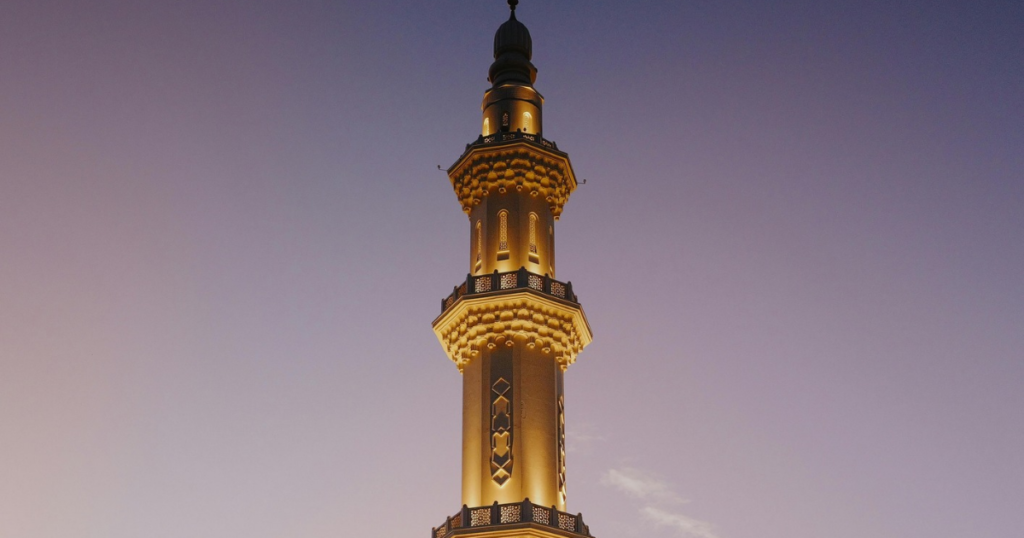
Ramadan 2026 presents a golden opportunity for believers to pursue spiritual elevation:
Renewing the Relationship with the Qur’an
Ramadan is often called the “Month of the Qur’an.” During this time, Muslims devote themselves to recitation, understanding, and contemplation of its message. The Qur’an provides ethical guidance, intellectual clarity, and spiritual comfort.Reconnecting with the Qur’an is not a ritual exercise; it is a transformative experience that reshapes one’s worldview and priorities.
Special nightly prayers known as Taraweeh create a powerful atmosphere of worship and unity. In the final ten nights, believers search for Laylat al-Qadr (the Night of Decree), described in the Qur’an:
“Indeed, We sent it down in the Night of Decree. And what can make you know what the Night of Decree is? The Night of Decree is better than a thousand months.”(Surah Al-Qadr 97:1-3)
Special nightly prayers known as Taraweeh create a powerful atmosphere of worship and unity. In the final ten nights, believers search for Laylat al-Qadr (the Night of Decree), described in the Qur’an:
“Indeed, We sent it down in the Night of Decree.And what can make you know what the Night of Decree is?The Night of Decree is better than a thousand months.”(Surah Al-Qadr 97:1-3)
Worship performed on this night carries immense reward. It is a night of mercy, forgiveness, and spiritual transformation.
How to Prepare for Ramadan 2026
To truly benefit from Ramadan 2026, preparation is essential.
1. Sincere Intention
Reducing unnecessary activities — especially excessive social media consumption — allows space for worship and reflection. Ramadan and modern life can coexist harmoniously when priorities are restructured.
2. Balancing Daily Life
Reducing unnecessary activities — especially excessive social media consumption — allows space for worship and reflection. Ramadan and modern life can coexist harmoniously when priorities are restructured.
3. Physical Readiness
Maintaining balanced nutrition and adequate rest supports productivity during fasting. While the primary goal is spiritual, physical well-being enhances focus and consistency.
Ramadan in the Modern World: A Lesson in Self-Control
In today’s digital age, constant distractions compete for attention. Ramadan teaches believers to regain control over their impulses and habits. Avoiding anger, gossip, and meaningless talk becomes an integral part of fasting. The discipline acquired during Ramadan strengthens emotional intelligence and moral awareness throughout the year.
Ramadan and Social Responsibility
Generosity reaches its peak during Ramadan. Zakat and voluntary charity increase, and communities gather to share iftar meals.Ramadan reinforces the idea that spirituality is not isolated from society. True devotion manifests in compassion, service, and social justice. The month fosters unity, empathy, and shared responsibility.
Physical Benefits of Fasting
Although Ramadan is fundamentally spiritual, fasting also carries physical benefits. Research suggests potential improvements in metabolism, digestive health, and mental clarity. However, these benefits remain secondary to the core objective of fasting, which is spiritual purification and moral growth.
Ramadan 2026: Challenges and Opportunities
Ramadan 2026 arrives in an era marked by rapid lifestyles, economic pressures, and digital noise. Amid such conditions, Ramadan teaches simplicity, balance, and mindfulness.It invites believers to reassess their priorities and rediscover what truly matters: faith, family, gratitude, and ethical living.
Laylat al-Qadr: A Night of Transformation
During the final ten nights, believers seek Laylat al-Qadr — a night of divine mercy and forgiveness. It is a time for introspection, repentance, and renewed commitment.On this night, hearts soften, prayers intensify, and hope is revived.
Ramadan and Moral Transformation
The true success of Ramadan 2026 will not be measured by hunger endured, but by character improved. If patience increases, gratitude deepens, honesty strengthens, and compassion expands — then Ramadan has achieved its purpose.
The lasting impact of Ramadan should extend beyond thirty days into the entire year.
Practical Steps for a Meaningful Ramadan 2026
- Establish a balanced daily schedule combining worship, work, and rest.
- Dedicate daily time for Qur’anic reflection.
- Limit unnecessary digital distractions.
- Give charity consistently, even in small amounts.
- Practice gratitude every day.
Consistency, not intensity, ensures sustainable transformation.
Conclusion
Ramadan 2026 is a profound spiritual opportunity. It offers believers the chance to purify the heart, renew faith, and strengthen moral character. Fasting teaches self-discipline, empathy, and God-consciousness.
If the lessons of Ramadan continue throughout the year, this sacred month becomes a catalyst for lasting transformation. May Allah grant us the ability to honor this blessed month and benefit from its immense blessings.
Ramadan
 Waseem Akram